What Does It Take to Run a Profitable Painting Business?
A profitable painting business runs on four systems: legal setup (registration, insurance, any state license), pricing built from production rates instead of guesswork, a steady lead channel you own, and quoting fast enough to answer every estimate request within a day. Nail those before hiring a crew.
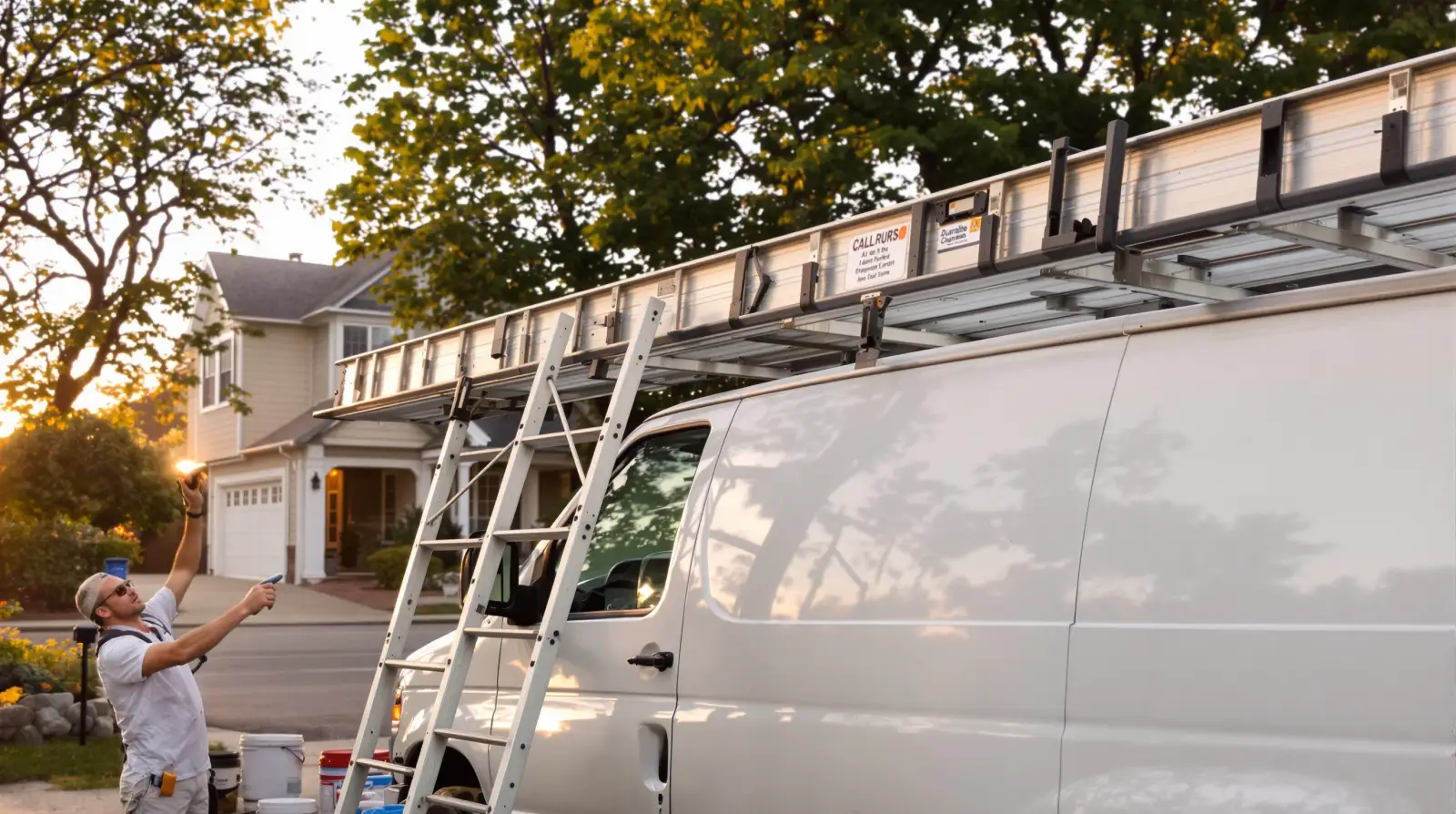
What a Well-Run Painting Business Can Look Like
Industry ranges, not promises — your results depend on your market, pricing, and execution.
Top-tier effective rate
(vs ~$65/hr average)
Healthy profit margin
(with disciplined pricing)
To a profitable start
(following the roadmap)
From zero to booked
(legal → tools → pricing → customers)
How to Start a Painting Business: 4-Step Roadmap
Business Planning & Legal Setup
- Choose your business structure (LLC, Corp, Sole Prop)
- Register your business name and get an EIN
- Obtain necessary licenses and permits
- Set up business banking and accounting
- Get general liability and workers' comp insurance
Financial Foundation
- Calculate your hourly rate and overhead costs
- Create a pricing strategy with 30-50% profit margins
- Set up job costing and tracking systems
- Establish payment terms and collection procedures
- Build a 3-6 month emergency fund
Marketing & Branding
- Design professional logo and brand identity
- Build a conversion-focused website
- Set up Google My Business and local SEO
- Create before/after portfolio
- Develop referral and review generation systems
Operations & Systems
- Implement professional quoting software
- Create standard operating procedures
- Set up customer communication workflows
- Establish quality control checklists
- Build vendor and supplier relationships
Your First 90 Days: A Week-by-Week Startup Roadmap
Skip the guesswork. This is the order to knock things out so you are legal, equipped, and booking work inside three months.
Week 1-2: Legal Foundation
Business Structure
- Register an LLC ($100-500)
- Get your EIN from the IRS (free)
- Open a business bank account
- Set up an accounting system
Insurance & Licensing
- General liability ($600-1,200/yr)
- Contractor's license (varies by state)
- Business license ($50-400)
- Workers' comp (once you hire)
Week 3-4: Tools & Systems
Starter Equipment
| Quality brushes & rollers | $200-300 |
| Ladders (various sizes) | $400-800 |
| Drop cloths & tape | $150-250 |
| Sprayer (optional) | $300-3,000 |
| Total to get rolling | $1,050-4,350 |
Business Software
- Estimating softwareProfessional quotes in minutes, not hours
- Accounting softwareQuickBooks or similar to track every dollar
- A dedicated business lineSeparate number and voicemail
Pro tip: start lean
You do not need every tool on day one. Buy the essentials, lean on good estimating software so you look sharp, and put profit back into better gear as the jobs come in.
Week 5-12: Landing Your First Customers
Friends & Family
- Discount in exchange for a testimonial
- Shoot before/after photos on every job
- Ask each one for three referrals
Online Presence
- Google Business Profile
- Facebook business page
- Nextdoor neighborhood app
Local Marketing
- Door hangers in target streets
- Partner with local realtors
- Join a BNI group or the chamber
First-month targets
Price for Profit: Know Your Numbers
Most painters do not go broke because they are slow. They go broke because they guess at prices. This is the math that keeps you paid.
A Pricing Formula That Works
What Sinks Painters
- ✗Racing to the bottom on price
- ✗Never tracking actual job costs
- ✗Forgetting overhead exists
- ✗Pricing off the competition alone
What Keeps You Paid
- ✓Know your true hourly cost
- ✓Track every job's profit
- ✓Price for your target market
- ✓Raise prices 5-10% a year
Know Your Numbers
Target Margins
How to Grow Your Painting Business: Proven Strategies
Scale from owner-operator to $1M+ painting business with these strategies
Niche Specialization
Focus on high-margin specialties like cabinet painting, commercial work, or luxury homes
Team Building
Hire and train skilled painters to scale beyond owner-operator model
Premium Positioning
Position as the quality leader to command 20-30% higher prices
Geographic Expansion
Systematically expand into neighboring markets and territories
The Path: Foundation, Growth, Scale
Every painting company moves through the same phases. Know which one you are in and you know which problem to solve next.
Foundation
- Landing first customers
- Setting prices that hold
- Basic day-to-day systems
Growth
- Hiring your first help
- Documented processes
- Managing cash flow
Scale
- Running multiple crews
- Quality control at a distance
- Marketing that pays back
Enterprise
- A real leadership team
- More than one location
- An eventual exit plan
The 4 Pillars of Growth
Bigger revenue is not magic. Pull one of these four levers at a time and the numbers move.
1. Lead Generation
- Google Ads: $500-1,500/mo brings 20-40 leads
- SEO and content that ranks
- A referral program with a real kickback
- Strategic partnerships
2. Conversion Rate
- Quotes out within 24 hours
- A follow-up system (5 touches)
- Financing options on the table
- Reviews and proof up front
3. Average Job Value
- Upsell premium paints
- Bundle multiple rooms
- Add-on services
- Good / better / best options
4. Customer Lifetime Value
- Annual maintenance programs
- Interior/exterior cycles
- Referral rewards
- Stay in touch by email
Hiring Your First Crew
When to Hire
- Booked solid 2-3 weeks out
- Turning down profitable work
- Clearing $15-20k a month
- Your systems are written down
What to Pay
| Role | Pay Range |
|---|---|
| Helper / apprentice | $15-20/hr |
| Journeyman painter | $20-30/hr |
| Crew leader | $25-35/hr |
| Subcontractor | 50-60% of job |
Protect the business first
- Workers' comp is mandatory in most states
- Classify people right (W2 vs 1099) or pay penalties
- Put agreements and quality standards in writing
- Run background checks and call references
Scaling to $1M: The Numbers Behind It
A million in revenue is a math problem, not a mystery. Here is what it actually takes.
The $1M Revenue Breakdown
Monthly Targets
Where It Goes
Organizational Structure
- Owner / CEO on strategy
- Operations manager
- Sales / estimator
- 2-3 crew leaders
- 4-5 painters
- Part-time admin
Key Metrics to Track
- Lead cost: under $100
- Close rate: over 40%
- Average job: over $5,000
- Gross margin: over 50%
- Customer acquisition cost
- Crew retention rate
The ROI of Better Tools
The right software is not an expense, it is leverage. Three places it pays you back:
Hours back
Software builds quotes in minutes, so you claw back the 5-6 hours a week you would burn on hand-written estimates.
Higher close rate
A fast, clean quote in the customer's inbox the same day wins more of the jobs you already bid.
Hold your price
Branded, professional quotes let you charge what the work is worth instead of discounting to compete.